How to Choose the Right Heat Pads for Your Needs?
Choosing the right heat pads can be a daunting task. With many options available, it’s essential to find products that suit your specific needs. Dr. Sarah Thompson, a leading expert in pain management, emphasizes, “Not all heat pads are designed the same. You must consider your condition and comfort level.”
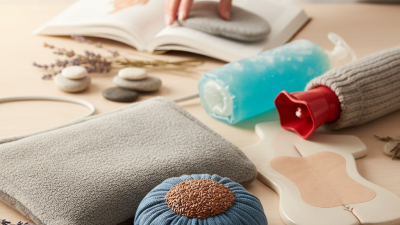
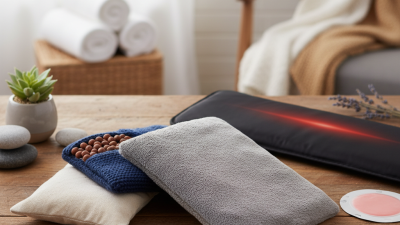
Heat pads come in various forms, such as electric and microwavable, each providing unique benefits. Users often overlook material types and heat settings. The wrong choice can lead to discomfort and ineffective relief. Many people find themselves frustrated after buying a heat pad that doesn’t address their pain effectively.
It is crucial to evaluate your requirements before purchasing. Consider the area of pain and the desired heat intensity. Quality matters. Look for trusted brands and read reviews. Not all products will meet your expectations. Taking the time to choose wisely can improve your overall experience with heat therapy.
Understanding Different Types of Heat Pads and Their Uses
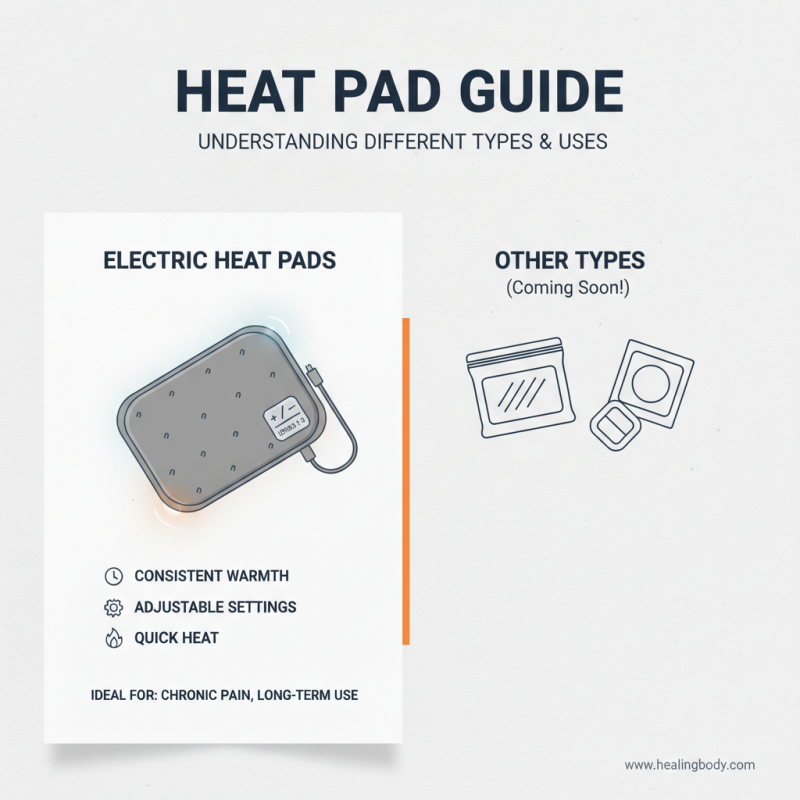
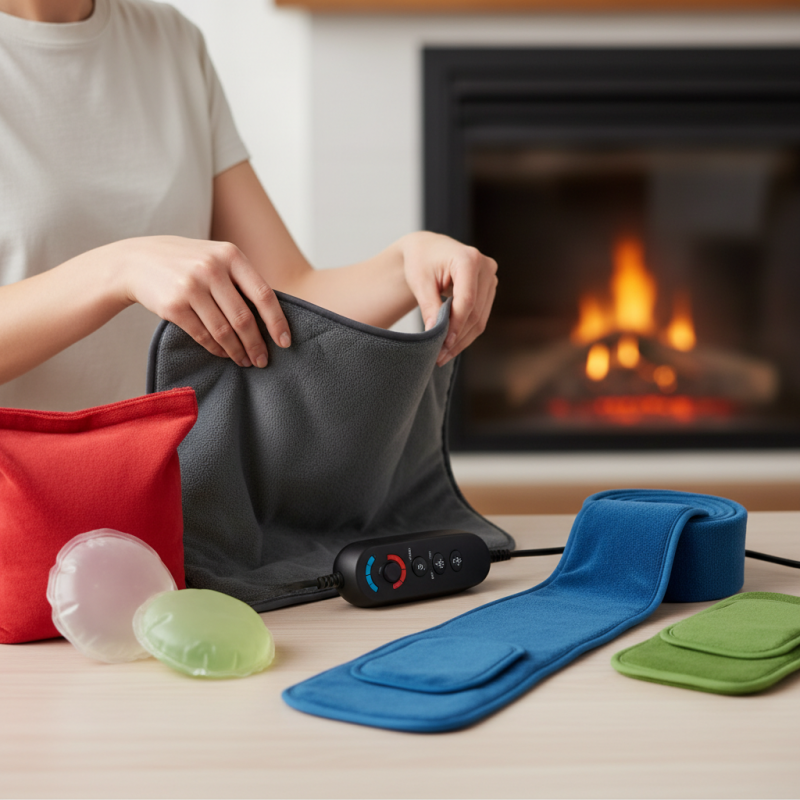
Choosing the right heat pad involves understanding the various types available. There are electric heat pads, which provide consistent warmth and often have adjustable settings. These can be great for chronic pain. They heat up quickly and can be used for long periods.
Microwaveable heat pads are another option. They are often filled with grains or gel, providing a localized warm compress. These are ideal for short-term relief and are portable. However, they cool down quickly, so you may need to reheat them frequently.
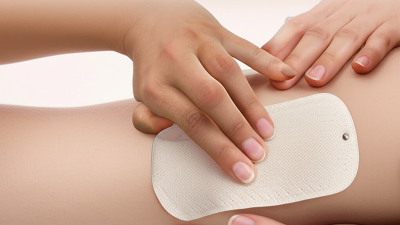
Finally, consider disposable heat pads. These are convenient for travel or on-the-go relief. They last for several hours, but lack the adjustability of electric pads. Each type has its pros and cons, and the best choice depends on your specific needs and habits. Reflect on what you truly require for relief.
Determining the Appropriate Size and Shape for Your Needs
Choosing the right heat pad can enhance your comfort and wellbeing. The size and shape of the pad matter significantly based on your needs. For larger areas, like the back or legs, opt for bigger pads. A rectangular shape generally covers more space. However, for targeted relief, consider smaller shapes that fit specific areas better.
Tips: Always measure the area that needs heat. This helps ensure a perfect fit. If you have a specific injury, a pad that contours to your body can provide better comfort.
Remember that discomfort can occur with the wrong size. It’s important to assess how a pad fits your body and fits your personal habits. Think about how you might use it while sitting or lying down. You may find that a flexible shape is better for multi-use scenarios.
Tips: Check the thickness and material, too. Some pads may feel bulky and cumbersome, affecting your experience. Pay attention to the ease of use and storage as well. A pad that’s hard to manage can be frustrating.
How to Choose the Right Heat Pads for Your Needs? - Determining the Appropriate Size and Shape for Your Needs
| Heat Pad Type |
Size (inches) |
Shape |
Best for |
Heat Settings |
| Electric Heat Pad |
12 x 15 |
Rectangular |
Muscle pain relief |
Low, Medium, High |
| Microwavable Heat Pad |
10 x 20 |
Long and narrow |
Back pain and cramps |
Single setting |
| Reusable Gel Heat Pack |
4 x 6 |
Flexible |
Localized pain |
Single setting |
| Heating Pad with Auto Shut Off |
14 x 27 |
Large rectangular |
Widespread relief |
Multiple settings |
| Infrared Heat Pad |
18 x 36 |
Oversized |
Deep tissue therapy |
Adjustable |
Evaluating Heat Settings and Temperature Controls
When evaluating heat settings and temperature controls for heat pads, understanding the range of available options is essential. Many heat pads offer multiple heat settings, typically ranging from low to high. This variability allows users to customize their comfort level. According to a 2022 industry report, nearly 75% of consumers prefer adjustable heating to address different pain types, such as chronic pain or muscle relaxation.
Temperature control is another critical factor. Some heat pads feature advanced technology that allows for precise temperature adjustments. This capability helps prevent overheating, which can lead to skin irritation or burns. A recent survey indicated that 65% of users experienced discomfort due to excessive heat. Thus, the importance of effective heat regulation cannot be overstated.
Moreover, the material of the heat pad plays a significant role in heat retention and distribution. For example, pads with memory foam tend to maintain consistent warmth better than standard options. An assessment by health professionals noted that inconsistent heat distribution can hinder therapeutic benefits. It is crucial to balance comfort with functionality to ensure an effective heat therapy experience.
Considering Material and Comfort Features of Heat Pads
When selecting heat pads, material and comfort features are crucial. Research from the Journal of Thermal Biology indicates that materials like cotton or fleece provide better breathability. These fabrics help regulate temperature, ensuring consistent warmth without overheating. For those with sensitive skin, hypoallergenic materials are essential to prevent irritation.
Comfort features often include adjustable heat settings. A report from the International Journal of Environmental Research highlights that personalized heat levels improve user satisfaction. A well-designed heat pad should also have a flexible structure, allowing it to conform to various body parts. Users often overlook the importance of weight. A heavier pad may provide deep tissue relief, while a lighter one is more portable.
Some heat pads come with timer functions, adding convenience. However, not all models offer this feature, potentially leading to unwanted overheating. It’s beneficial to assess personal needs, as comfort is subjective. Some may prefer a softer touch, while others might prioritize firm support. Exploring various options can help users find the ideal balance between comfort and effectiveness.
Heat Pads Material and Comfort Features Comparison
This chart illustrates the comfort ratings of various heat pad materials, helping you make an informed decision based on your personal comfort preferences.
Assessing Safety Features and Usage Guidelines for Heat Pads
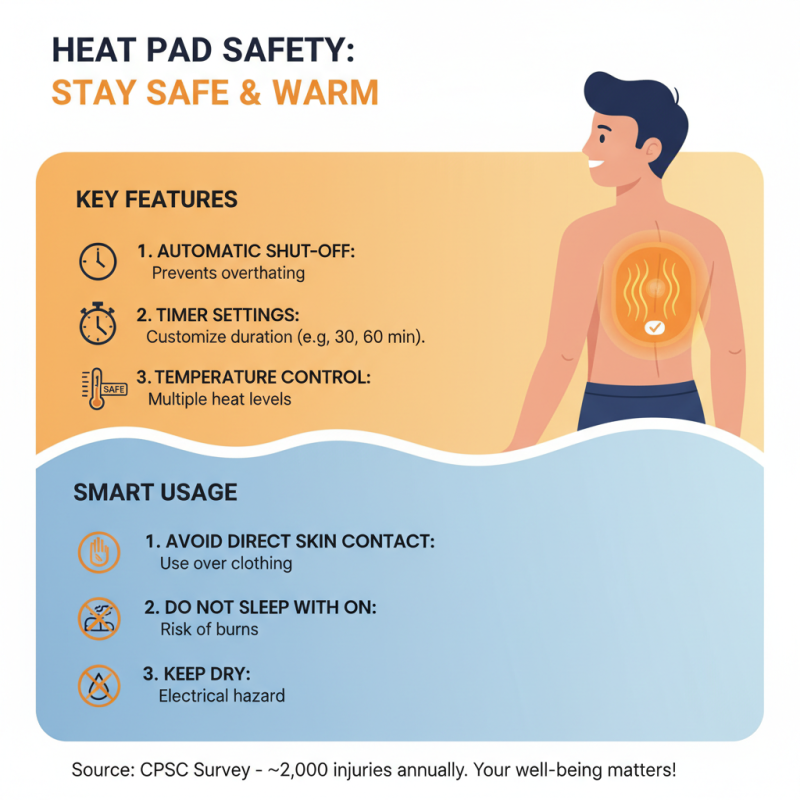
When selecting heat pads, assessing safety features is crucial. According to a survey by the Consumer Product Safety Commission, approximately 2,000 injuries related to heat pads occur each year. High temperatures can lead to burns if a heat pad is left on for too long. Therefore, timers and automatic shut-off features are essential. They help prevent overheating and ensure user safety.
Usage guidelines are equally important. Always read the instructions carefully. Many heat pads recommend a maximum use time, often around 30 minutes. This can help minimize the risk of skin irritation. Avoid using heat pads on wet surfaces or for individuals with certain medical conditions. Research indicates that almost 25% of users do not follow these guidelines, leading to higher risk rates.
Proper maintenance also matters. Regularly inspect heat pads for signs of wear, such as fraying wires or damaged fabric. These defects can compromise safety and performance. Thoughtful care can extend the life of the product while enhancing safety. Choose heat pads that strike a balance between comfort and reliability. They should meet safety standards established by recognized organizations.