How to Choose the Best Heat Pads for Your Needs?
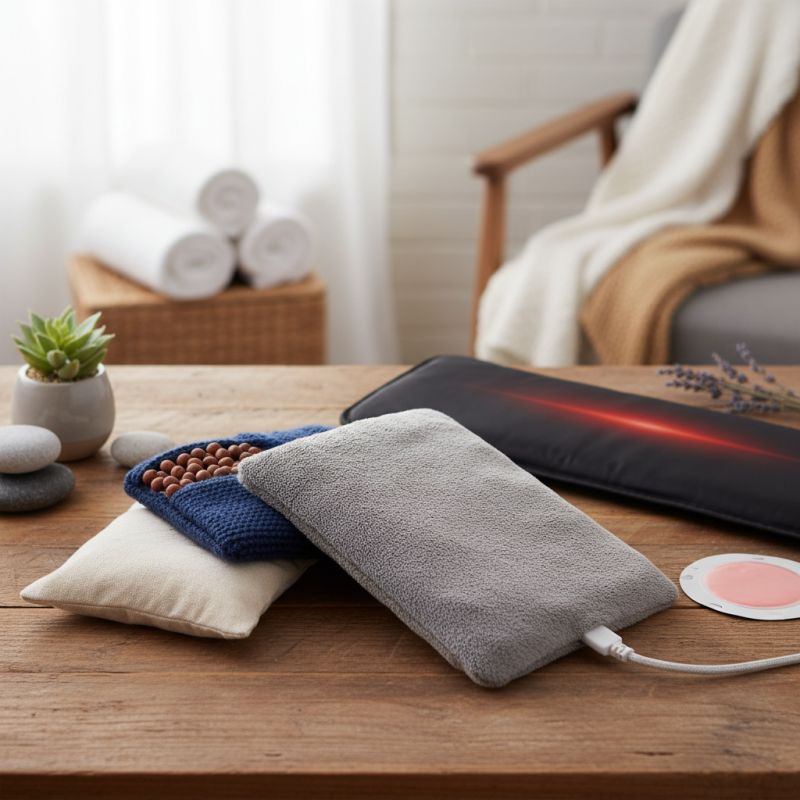
Choosing the right heat pads can significantly enhance your comfort and health. The global market for heat pads is expected to grow, driven by increasing consumer awareness about pain relief. According to industry reports, the demand for efficient, safe, and versatile heat pads is more significant than ever.
When selecting heat pads, consider different factors. For instance, material matters. Some pads offer electric heating, while others utilize natural materials. Both have their pros and cons. Price also varies widely across products, which can be confusing.
Additionally, not all heat pads are effective for every user. Personal requirements and preferences differ. Whether you are seeking relief from menstrual pain or muscle tightness, the best heat pad for you may not suit someone else's needs. Therefore, evaluation is key. Examine the options available before making a choice.
Understanding Different Types of Heat Pads Available in the Market
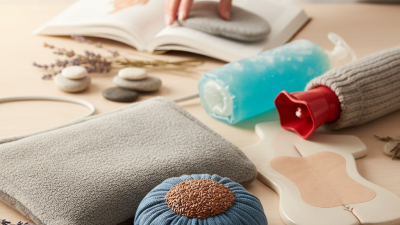
When choosing heat pads, it's essential to understand the different types available.
There are electric,
microwavable, and
chemical heat pads.
Electric pads provide constant warmth. They are great for long sessions of relief.
Microwavable pads offer a portable option. They are versatile and can be heated quickly.
Chemical heat pads activate upon opening and are useful for on-the-go.
Tips: Always check the instructions before use. Some pads have specific heating times.
It's crucial to avoid burns. For electric pads, consider the size and heat settings.
A larger pad can cover more area, providing better comfort. Think about your personal preferences.
Do you want something soft or firmer?
While exploring options, pay attention to safety features.
Auto shut-off is a significant perk for many users. Remember, not every product fits everyone.
Consider your unique needs carefully. Reflect on what works best for you before making a decision.
Comfort should be the top priority.
Evaluating Heat Pad Sizes and Shapes for Specific Needs
When selecting a heat pad, size and shape play crucial roles. A larger pad can cover a broader area, suitable for back pain or muscle soreness. Alternatively, smaller pads are perfect for targeted relief, such as on joints or specific muscle groups. It's essential to think about where you will use the pad. For full back support, a rectangular shape might be best. If you're treating a knee or elbow, consider a contoured pad.
Tips: Measure the area needing attention. A pad that is too small won't provide effective relief. Measure before you buy.
Different materials influence comfort and effectiveness. For example, a soft fabric feels better against the skin. However, you may need to consider heat retention. Some materials hold heat longer, while others may cool too quickly. Experimenting with various options could help find the right fit for your needs.
Tips: Don't be afraid to return a heat pad that doesn't meet expectations. Your comfort matters most.
Lastly, temperature settings should also factor into your decision. Some pads offer adjustable temperatures, better suited for varying degrees of comfort. Thinking critically about these aspects can help you choose wisely.
Evaluating Heat Pad Sizes and Shapes for Specific Needs
Examining Heat Pad Material for Comfort and Safety
When choosing a heat pad, material is key for comfort and safety. Various fabrics serve different purposes. For soft, breathable options, cotton is a popular choice. It feels gentle against the skin. However, it may not retain heat as effectively as other materials. Consider your needs before making a decision.
Another option is synthetic fabrics. These can provide better insulation. Materials like polyester are often more durable. They may also be easier to clean. However, they can feel less comfortable for extended use. Some users report sweating with synthetic pads, which is uncomfortable.
Always check safety features of heat pads. Overheating can lead to burns or discomfort. Look for automatic shut-off features. They add an extra layer of safety. It’s also worth noting that individual preferences can vary. A heat pad that works for one person may not be ideal for another. Testing different materials might take time, but it’s essential for finding the perfect fit.
Considering Temperature Settings and Control Options
When choosing a heat pad, temperature settings are crucial. A pad with adjustable heat can suit different needs. Some people prefer low settings for minor aches. Others may need higher heat for more intense pain. Look for pads that offer at least three levels of warmth. This range allows for customization based on comfort.
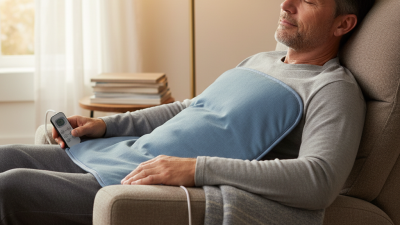
Control options matter too. Simple controls can be user-friendly. Digital controls may offer precise temperature settings. Think about your mobility and convenience. A remote control can be handy for those with limited movement.
Reflect on your environment. A corded pad may restrict your movement. Wireless options provide freedom but require battery management. Ensure the heat pad’s size fits your usage area. A larger pad works well for backs, while smaller ones are better for joints. The right features can enhance your comfort and healing.
Assessing Additional Features for Enhanced Heat Pad Functionality
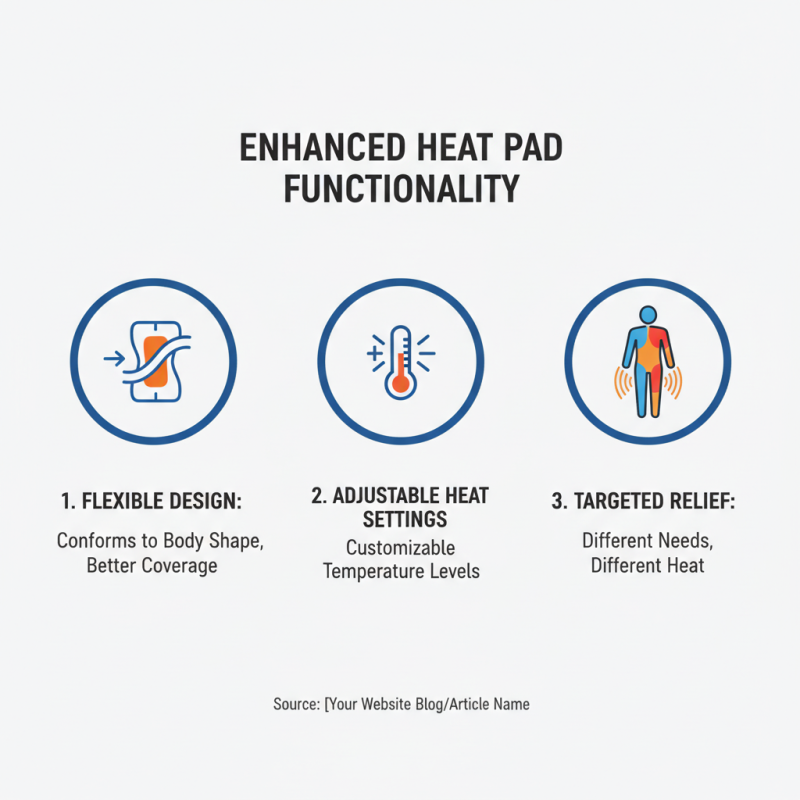
When assessing additional features for heat pads, consider the flexibility and design. A pad that conforms to your body shape provides better coverage. Look for options with adjustable heat settings. This allows you to customize the temperature based on your needs. Most people find that different conditions require different levels of heat.
Tips: Always test the heat level on a lower setting. Some pads can get quite warm. If you have sensitive skin, consider materials that are soft and breathable. The right fabric prevents overheating and allows your skin to breathe.
Another feature to weigh is automatic shut-off. This function enhances safety by preventing overheating. If you often forget to turn off devices, this is a must-have. Look for pads with timers, too. They can remind you when the heat session is over.
Tips: Set a timer on your phone if your pad doesn’t have one. It’s an easy way to avoid unintentional burns. Remember, balancing comfort and safety is essential for an effective heat therapy experience.