China Top 10 Toe Warmer Manufacturers for Global Buyers
Choosing a reliable Toe Warmer supplier requires more than comparing unit prices. Buyers must examine heat duration, activation consistency, packaging quality, and factory controls. A warm pouch that fails during a dawn hike is not a small inconvenience. It can damage trust.
The global heated clothing market continues to expand, according to Grand View Research’s market analysis. However, public reports rarely isolate Toe Warmer sales. This limitation matters. Market estimates can vary by product definition, region, and distribution channel. The 2024 Outdoor Industry Association participation report also shows strong consumer interest in outdoor recreation, creating steady demand for compact cold-weather accessories. Yet demand alone does not prove manufacturing quality.
Thermal physiologist Professor George Havenith has emphasized, “Clothing is the first line of defence against cold.” His research supports a practical point: product performance depends on temperature, moisture, activity, and fit. Toe Warmer buyers should therefore request test records, safety documentation, material specifications, and batch-level quality data. ISO 11079 and ASHRAE 55 provide useful references for evaluating cold exposure and thermal comfort, although neither standard alone certifies a disposable warmer.
This guide reviews China’s top ten Toe Warmer manufacturers for global buyers. It considers production experience, export capability, heating materials, private-label support, and quality assurance. Some supplier information may change quickly. That is worth admitting. Factory audits and current samples remain essential before a large order. The strongest manufacturer is not always the cheapest. It is the one that delivers stable heat, clean packaging, and dependable communication when conditions become cold.
What Are Toe Warmers and How Do They Work?
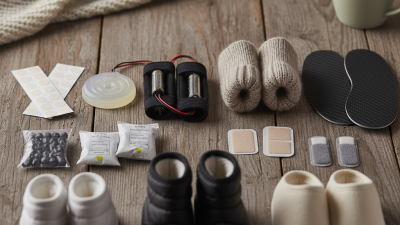
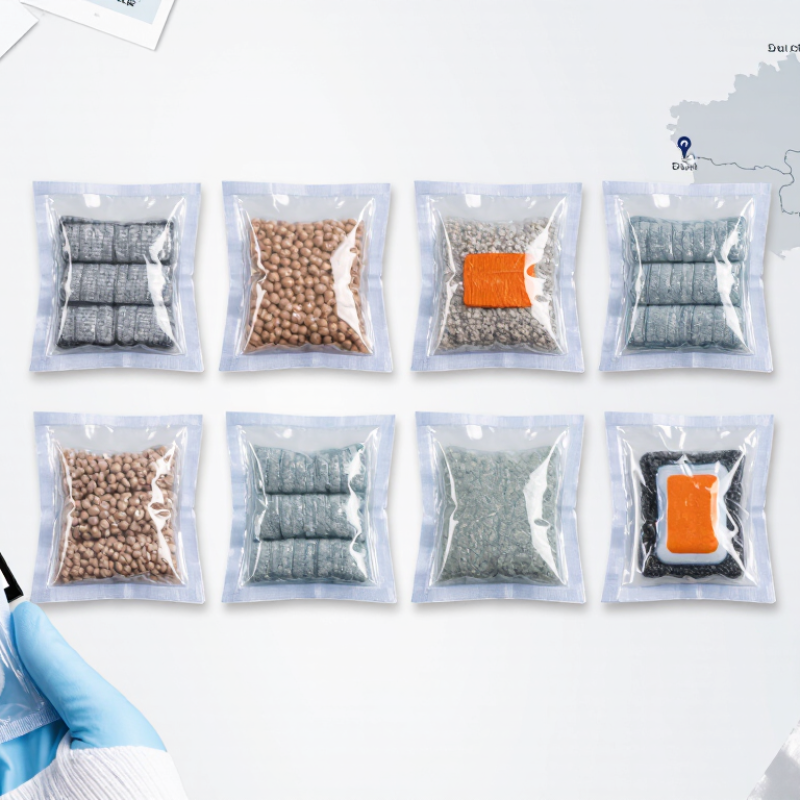
Toe warmers are small heat packs designed to fit beneath or above the toes inside footwear. Most air-activated types contain iron powder, salt, water, activated carbon, and mineral materials. When the packet opens, oxygen enters through its breathable outer layer. The iron slowly oxidizes, releasing gentle heat for several hours. They need air to work. Sealed storage prevents early activation.
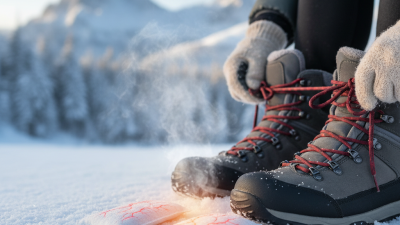
In practical use, warmth depends on airflow, shoe size, and outside temperature. A tightly packed boot may reduce oxygen and weaken heating. A loose shoe can allow better activation but may feel less insulated. Place the warmer according to its instructions, never directly against sensitive skin unless specifically designed for that use. Check the temperature during wear. Excess heat can cause discomfort, especially when circulation is limited.
For global buyers, reliable production requires more than a strong heating formula. Manufacturers should control powder moisture, packet sealing, activation time, and heat consistency through documented testing. Batch samples can reveal uneven warmth or damaged packaging before shipment. Material safety data and clear multilingual instructions also support responsible purchasing. I have found that laboratory results do not always match winter field use. Real footwear trials matter. Small differences in humidity and sock thickness can change performance. That detail is easy to underestimate.
Why China Is a Major Toe Warmer Manufacturing Hub
China’s role in toe warmer production reflects scale, materials access, and export experience. UNIDO’s International Yearbook of Industrial Statistics 2024 estimates China produced about 31% of global manufacturing value added in 2023. That industrial depth supports heating products with iron powder, activated carbon, salt, vermiculite, and breathable packaging.
Production is highly integrated. Local suppliers can provide nonwoven sachets, oxygen-permeable films, adhesive layers, and printed cartons within short distances. Automated filling and heat-sealing equipment also improves batch consistency. According to the WTO’s World Trade Statistical Review 2024, China accounted for 14.2% of global merchandise exports in 2023. This export network helps manufacturers serve buyers across cold-weather markets with flexible shipment volumes.
Quality still requires close inspection. Toe warmer performance depends on powder moisture, pouch permeability, sealing pressure, and storage conditions. A warmer that feels hot in testing may cool too quickly inside a boot. Some factories still rely too heavily on manual checks. That weakness deserves attention. Experienced buyers should request batch records, temperature curves, shelf-life data, and independent safety testing. The global hand warmer market is projected to expand steadily, with Grand View Research identifying outdoor recreation and winter travel as major demand drivers in its 2024 market analysis. China remains competitive because it combines these market needs with dense supplier networks, experienced labor, and scalable production.
China’s Top 10 Toe Warmer Manufacturers for Global Buyers
China’s Top 10 Toe Warmer Manufacturers for Global Buyers represent a practical starting point for winter-product sourcing. The selection should favor factories with verified production records, stable heating performance, and clear export documentation. Experienced suppliers usually explain their iron-powder formulation, activation time, surface temperature, and usable duration without vague claims. They also provide batch samples before large orders. Small details matter. A warmer that feels comfortable indoors may perform differently in a cold delivery warehouse.
The ten manufacturers can be compared across adhesive quality, pouch sealing, packaging customization, and monthly capacity. Buyers should request test reports for skin-contact safety and material composition. Factory audits are useful, but they do not replace independent sample checks. Ask for data from several production batches. This exposes inconsistent heat curves, weak seals, or delayed activation. Some factories offer attractive prices, yet their minimum order quantities may burden smaller distributors. Production speed can also change during peak winter demand. That risk deserves written confirmation.
Reliable cooperation depends on communication as much as machinery. A capable export team should clarify labeling, carton dimensions, storage conditions, and shipping limits. Keep samples for comparison. No factory is perfect. One supplier may excel at private packaging but lack flexible delivery schedules. Another may offer strong quality control while needing longer lead times. Buyers should record these trade-offs instead of relying on polished catalog language. In practice, the best match is the manufacturer whose evidence fits the buyer’s market, climate, and inspection process.
How to Compare Toe Warmer Suppliers and Product Quality
Choosing among China’s top toe warmer manufacturers requires more than comparing unit prices.
Grand View Research estimated the global hand warmer market at about USD 1.4 billion in 2023, with steady growth expected through 2030. This expansion attracts capable factories, but also inconsistent suppliers. Ask for batch records, material specifications, safety data sheets, and recent third-party test results. Do not rely on a polished catalog.
Product testing should imitate real use. Check activation time, heat output, heating duration, and residue after removal. A digital temperature logger can record whether warmth stays stable inside a shoe. Test at different oxygen levels, because air-activated warmers may perform differently in tight footwear.
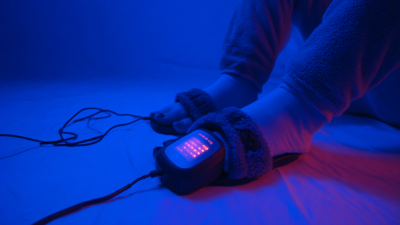
For rechargeable models, request battery test evidence based on IEC 62133-2 and transport documentation aligned with UN 38.3. The Research and Markets 2024 industry report also identifies rechargeable heating products as a growing category, increasing the importance of battery traceability.
Look closely at packaging seals and expiration dates. A warmer that feels hot for ten minutes is not necessarily reliable. Suppliers should explain their testing sample size, not only show one successful unit. Factory audits matter, but they are not enough.
One uncomfortable lesson remains: laboratory results may not match a damp winter boot. Repeat sampling from several production batches, including older inventory. Compare temperature curves, not marketing promises. Small quality differences become very obvious at the toes.
What Global Buyers Should Know About Sourcing and Importing Toe Warmers
Global buyers should treat toe warmers as seasonal safety products, not simple accessories.
Grand View Research estimates the wider hand-warmer market will grow steadily through 2030, driven by outdoor recreation and cold-weather work. Toe warmers share that demand, but public reports rarely separate them as a product category. This creates a sourcing problem. Customs data may group warmers with other heating articles, making supplier comparisons less precise.
Request recent test reports, safety data sheets, ingredient specifications, and batch records before negotiating volume.
Check activation time, average temperature, heating duration, adhesive strength, and skin-contact warnings. A warmer reaching 45°C can feel comfortable outdoors but cause harm inside tight footwear. Ask suppliers to test sealed packs after transport simulation. Humidity exposure can reduce performance.
Import planning needs equal attention.
Confirm carton dimensions, shelf life, country-of-origin marking, language requirements, and destination-market chemical rules. The European Chemicals Agency reports that REACH controls substances placed on the European market, while the U.S. Consumer Product Safety Commission emphasizes hazard communication and consumer safety. Requirements differ. Do not assume one test report works everywhere.
Freight calculations are often underestimated.
Iron powder, salt, activated carbon, and vermiculite can affect documentation and warehouse handling, even when the finished warmer is not classified as dangerous goods. Check the current transport classification with a qualified forwarder. A cheaper quotation may hide weak packaging or short shelf life. That mistake is expensive. Suppliers should also provide production samples from different batches, because one successful sample proves very little.