Patch Detox Foot products attract attention with colorful pads, bold detox claims, and dramatic images of darkened patches. Yet appearance is not proof. Market reports from Grand View Research place the global foot-care industry in the multi-billion-dollar range, but commercial growth does not confirm detox effectiveness. That distinction matters.
The U.S. Federal Trade Commission previously challenged Kinoki Foot Pad claims, alleging that the product was falsely promoted as removing toxins through the feet. The National Center for Complementary and Integrative Health also reports limited evidence for detox practices generally. Dr. Edzard Ernst, a leading researcher in evidence-based medicine, has described detox claims as “scientifically implausible.” That is an uncomfortable starting point.
This guide offers seven practical tips for evaluating Patch Detox Foot products more carefully. Check the ingredient list. Look for independent testing. Question before-and-after images. Read the refund policy. Consider skin sensitivity, especially after shaving or bathing. A warm bathroom, adhesive residue, and overnight moisture can irritate the skin.
Do not confuse relaxation with detoxification.
Some users may enjoy the ritual. That experience can feel real. The claimed toxin removal still requires credible clinical evidence. Packaging often looks more convincing than the research behind it. Even this guide has limits, because product formulas and marketing language change quickly. Reliable decisions require skepticism, transparent sourcing, and advice from a qualified healthcare professional when skin problems persist.
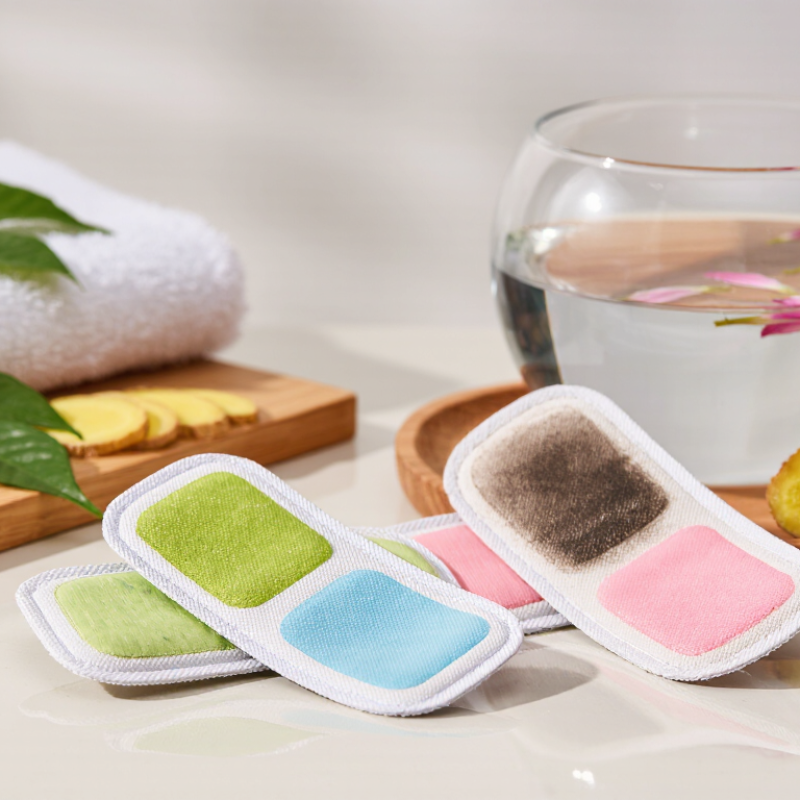
Patch detox foot patches are adhesive pads placed on the soles, usually overnight. They often contain plant powders, minerals, or absorbent materials. Warmth and moisture can darken the patch by morning. That color change does not prove that toxins left the body. Current medical evidence does not establish foot patches as a reliable detox treatment. The liver, kidneys, lungs, and digestive system already manage waste removal.
Understanding the product matters more than dramatic before-and-after images. Check the complete ingredient list, usage directions, expiration date, and seller’s contact information. Avoid patches with unclear formulas or unsupported medical promises. Look for transparent safety information and independent testing, when available.
A small skin test may reveal irritation before overnight use. Never apply a patch to broken, infected, or inflamed skin. Stop using it if burning, swelling, or a rash appears.
A practical buyer might also question the price and return policy. Does the product offer comfort, or only a theatrical color change? That distinction matters.
I would not treat a patch as a substitute for medical care or a balanced lifestyle. People with diabetes, poor circulation, sensitive skin, or ongoing foot problems should ask a healthcare professional before use. Even simple products deserve careful judgment.
7 Tips for Buying Patch Detox Foot Patches
Checking Ingredients, Materials, and Skin Compatibility
Tip 1: Read every ingredient, not just the word “natural.” Herbal powders, minerals, and fragrances may still irritate sensitive skin. “Detox” claims also deserve caution, because foot patches have limited scientific evidence for removing toxins.
Tip 2: Check the patch material and adhesive. Choose breathable cotton, bamboo fiber, or clearly listed medical-grade materials when available. Avoid vague labels such as “special fabric.” Tip 3: Look for common irritants, including strong fragrance, essential oils, latex, and harsh preservatives. My own skin reacts quickly to scented adhesives, even when the package sounds gentle. A small warning label can matter.
Tip 4: Test one patch on a clean forearm first. Leave it for the recommended time, then check for redness, itching, swelling, or burning. Stop using it if discomfort appears. Tip 5: Do not apply patches over cuts, eczema, rashes, blisters, or freshly shaved skin. Dry, healthy skin usually tolerates adhesive better. Tip 6: Review storage instructions and expiration dates. Heat and moisture can change adhesive quality and ingredient stability. Tip 7: Consider your medical history, especially allergies, diabetes, circulation problems, or very sensitive skin. A pharmacist or healthcare professional can offer more reliable guidance than dramatic online testimonials. No patch is perfect, and an attractive package cannot replace careful skin testing.
Reference ranges for selected active ingredients listed in the U.S. FDA OTC skin-protectant monograph, shown as percentage by weight.
When reviewing a foot patch, compare the ingredient list with your skin history, avoid products containing known allergens, and perform a small patch test before extended use. These regulatory ranges describe eligible skin-protectant ingredients and do not prove that a detox patch removes toxins or provides medical benefits.
Source: U.S. Food and Drug Administration, 21 CFR §347.10, Skin Protectant Drug Products for Over-the-Counter Human Use.
7 Tips for Buying Patch Detox Foot Patches?
Detox claims deserve careful checking before you buy. Peer-reviewed evidence has not shown that foot patches remove toxins from the bloodstream or organs. The body already uses the liver, kidneys, lungs, and skin to process waste. Dark material on a used patch may look convincing. However, it can result from moisture, heat, and the patch’s ingredients. Color alone is not proof of detoxification.
Read the ingredient list closely. Look for clear amounts, manufacturer contact details, and independent quality testing. Be cautious with vague phrases such as “deep cleansing” or “chemical removal.” Reliable sellers should explain their claims and identify supporting studies. A laboratory test on a patch is not the same as a clinical trial on people. That difference matters.
Consider your skin, too. Adhesives and botanical ingredients may cause redness, itching, or blistering. Test a small area first. Do not apply patches to broken, infected, or freshly shaved skin. People with diabetes, poor circulation, allergies, or ongoing medical treatment should ask a qualified clinician. I would record the patch’s appearance, skin reaction, and any symptoms over several uses. Still, that diary cannot prove toxin removal. It only reveals comfort and possible irritation. The evidence remains limited, and my buying decision would reflect that uncertainty.
| No. | Buying Tip | What to Check | Scientific Evidence | Practical Interpretation | Evidence Rating |
|---|---|---|---|---|---|
| 1 | Question the word “detox” | Look for a precise explanation of which substance is supposedly removed, how it is measured, and what health outcome improves. | There is no established clinical evidence that adhesive foot patches remove toxins from the bloodstream or internal organs. | Treat broad “toxin removal” language as a marketing claim unless supported by well-designed human research. | Very low |
| 2 | Check whether the evidence is from humans | Distinguish laboratory tests, animal studies, testimonials, and before-and-after photos from randomized or controlled human studies. | A laboratory reaction or darkening patch does not demonstrate toxin removal in a person. Reliable clinical evidence would require objective measurements and suitable controls. | Prefer transparent studies that report participants, methods, outcomes, limitations, and independent review. | Limited |
| 3 | Interpret a darkened patch carefully | Ask whether the same color change occurs when the patch is exposed to water, sweat, or humidity without being worn. | Color changes can result from moisture and chemical reactions among patch ingredients; they are not a validated measurement of toxins leaving the body. | The appearance of the used patch should not be used as a diagnostic or detoxification test. | Not validated |
| 4 | Review the ingredient list | Check for complete ingredient disclosure, allergy warnings, contact information, instructions, and expiration or batch details. | Natural ingredients are not automatically harmless. Topical substances may cause irritation or allergic contact dermatitis, especially under occlusion. | Avoid products with undisclosed ingredients or unsupported claims about treating medical conditions. | Safety-focused |
| 5 | Consider skin and circulation risks | Do not apply to broken, infected, inflamed, or recently shaved skin. Consider allergies, diabetes, poor circulation, and neuropathy. | Adhesives and botanical ingredients can cause redness, itching, blistering, or irritation. Reduced sensation may delay recognition of skin injury. | Stop use if burning, swelling, rash, or pain develops. People with higher foot-risk conditions should seek medical advice first. | Important caution |
| 6 | Evaluate the promised benefit | Separate claims about relaxation, warmth, or temporary comfort from claims about curing disease or eliminating toxins. | There is insufficient evidence that foot patches treat chronic disease, improve liver or kidney function, or replace medical treatment. | A comfort product should not be presented as a substitute for diagnosis, prescribed treatment, nutrition, sleep, or physical activity. | Very low |
| 7 | Compare cost with evidence and alternatives | Review the total price, return policy, recurring charges, and whether the product provides a benefit that can be independently verified. | No established scientific evidence shows that detox foot patches provide systemic detoxification benefits beyond ordinary foot care or comfort. | For general foot comfort, consider evidence-informed options such as properly fitting footwear, moisturizing dry skin, and professional evaluation of persistent symptoms. | Value uncertain |
Buying patch detox foot patches requires more than attractive packaging. Treat detox claims carefully. Current evidence does not show that foot patches remove toxins from the body. A quality product should provide a complete ingredient list, batch information, expiry date, manufacturer contact details, and clear usage instructions. Look for sealed packaging and readable labels. Avoid products with vague promises or missing safety information. Independent testing is helpful, but it should be explained clearly.
Safety deserves close attention. Check each ingredient for known allergies, especially fragrances, adhesives, and plant extracts. Test a small area of healthy skin before overnight use. Do not apply patches to cuts, rashes, infections, or recently shaved skin. Stop immediately if burning, swelling, or persistent redness appears. People with diabetes, poor circulation, or sensitive skin should ask a healthcare professional before use. It is easy to overlook this step.
Ease of use also affects product value. Choose patches that stay attached without excessive pressure, leave limited residue, and remove gently in the morning. Instructions should state how long to wear them and how often to use them. Consider disposal, too. A messy adhesive can make a simple routine frustrating. My own judgment would remain cautious: darker residue may reflect moisture and ingredients, not proof of detoxification. That detail is worth questioning.
Patch detox products need careful selection and realistic expectations. A 2012 peer-reviewed pilot study in the Journal of Environmental and Public Health tested six adults and found no meaningful evidence that foot pads removed toxic elements. The dark residue often appears after moisture, not necessarily after “toxins” leave the body. NCCIH also notes that strong detox claims usually lack reliable clinical support.
Tip: Check the ingredient list before buying. Avoid patches with undisclosed powders, strong fragrances, or substances that irritate your skin. Choose sealed packaging and clear instructions. A suitable patch should state where to apply it, how long to wear it, and when to remove it. Do not place one over cuts, rashes, eczema, or infected skin. Test a small area first. Skin reactions happen.
Tip: Follow the usage instructions exactly. Wash and dry your feet, then apply the patch to clean, intact skin. Do not extend the wearing time because the patch looks darker. Remove it if you notice burning, swelling, itching, or blistering. People with diabetes, poor circulation, allergies, or persistent foot problems should ask a qualified healthcare professional first. The U.S. Federal Trade Commission has previously challenged unsupported detox advertising claims, so dramatic promises deserve skepticism. I admit the visual result can feel convincing, but appearance is not clinical evidence.